TRADE & ECONOMY
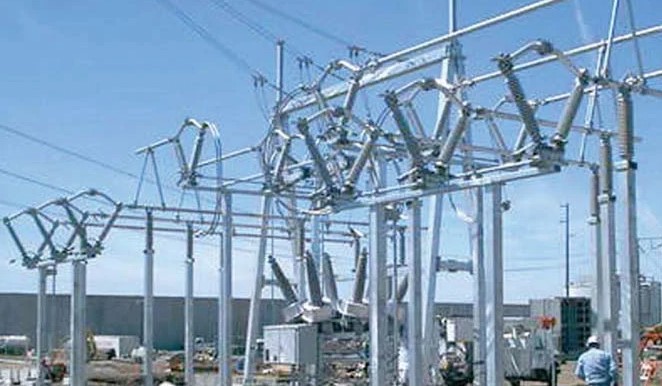
The owners of four Independent Power Producers (IPPs) established under the 1994 energy policy, along with one IPP from the 2002 policy, have been strongly urged by the government to voluntarily terminate their Power Purchase Agreements (PPAs). The government has proposed a shift to a 'give power, take payment' model, warning that failure to comply will result in legal and financial consequences.
Sources informed The News that the owners of these IPPs have been told that they will not receive capacity payments for the next three to five years, which amount to an estimated Rs 139-150 billion. This has raised concerns among IPP owners, who are being pressured to adopt the new model or face a forensic audit and potential criminal proceedings.
Government's Position The government claims that these IPPs have already received excessive payments in the form of capacity charges and returns on equity. Furthermore, the government asserts that loans owed by these IPPs have been repaid, reducing the need for further financial obligations.
According to officials, these IPPs have also allegedly engaged in profiteering by misreporting operations and maintenance (O&M) losses between 2020 and 2024, deceiving the government and inflating their earnings. The authorities argue that these violations are grounds for serious legal action, including recovering any illegal profits.
IPP Owners’ Response In response, one IPP owner reportedly suggested that if the government pays Rs 55 billion, they would be willing to terminate their contract and hand over the plant to the government. However, the government has refused this offer, stating that the only option for the IPPs is to voluntarily cancel their agreements. The task force also accused one of the IPP owners of using the plant as collateral to raise funds for other power plants, in violation of their original agreement with the government.
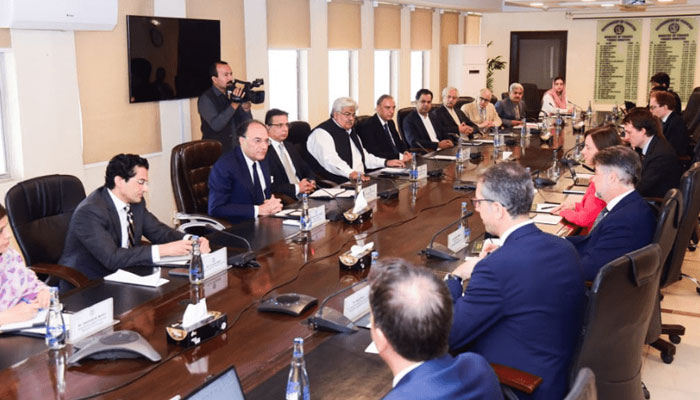
The situation has escalated, with four IPP owners scheduled to meet key officials from the government’s task force this week. Among those summoned is a former minister of state for petroleum from the previous PTI government, indicating the gravity of the situation.
Forensic Audit and Legal Action The owners of these IPPs have been warned that if they do not comply, a forensic audit of their power plants will be conducted. This could lead to criminal proceedings, with the government seeking to recover funds gained through alleged profiteering.
A prominent business tycoon from Lahore, who owns several power plants, is set to meet with authorities on Monday. His IPPs are among those targeted for contract termination. However, the government has also floated a potential alternative: the establishment of a private power market system within the next two years. Under this system, the IPPs could sell electricity directly to large enterprises after their contracts with the government end.
Minister’s Offer The current Minister of State for Power Division, Muhammad Ali, has offered a middle-ground solution, suggesting the formation of a private power market system. This would allow the IPPs to sell electricity to large industrial customers after their government contracts end, providing an incentive for them to accept the new terms.
Conclusion The government's move to restructure its agreements with these five IPPs signals a broader attempt to address issues within Pakistan's energy sector, particularly related to overpayment and inefficiency in power production. With a forensic audit and potential legal actions looming, the coming weeks will be critical in determining the future of these power producers and the energy landscape in Pakistan.
-
SBP to Mandate Biometric and Facial Verification f...
State Bank of Pakistan mandates that from Jan 1, 2025, all citizens buying or selling fore...
-
Assets of Civil Servants, Lawmakers to Go Public b...
Finance Minister Muhammad Aurangzeb says assets of civil servants and parliamentarians wil...
-
US $686m Defence Package to Upgrade Pakistan’s F...
The US has approved a $686m defence package to modernise Pakistan’s F-16 fighter jets, e...

-
IMF Tax Demand Poses Risk to Pakistan’s Refinery...
Pakistan’s refinery upgrade project faces hurdles as IMF demands 18% tax on petroleum im...
-
Pakistan Approves 23 IMF Conditions Amid Widening ...
Pakistan agrees to 23 IMF conditions, including energy sector reforms, tax hikes on fertil...