TRADE & ECONOMY
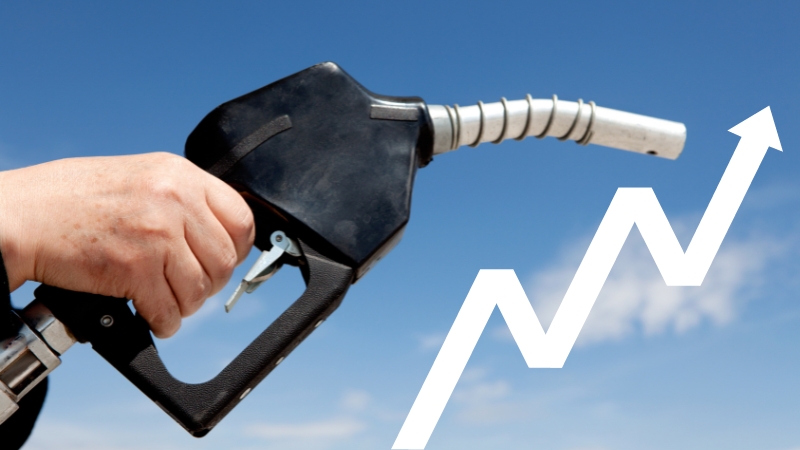
Continuing with the rising trend, the prices of major petroleum products, including petrol and high-speed diesel (HSD), are set to increase by over Rs7.60 and Rs3.50 per litre respectively, effective from July 16. This surge is mainly due to higher global oil prices.
Global Price Hike: Sources indicate that the prices of petrol and HSD in the international market have risen by approximately $4.4 and $2 per barrel respectively over the past fortnight. Consequently, the price of petrol is projected to increase by Rs7.60 per litre, while HSD is expected to go up by Rs3.50 per litre.
Government Revenue Measures: The government has raised the maximum limit of the petroleum development levy (PDL) to Rs70 per litre in the Finance Bill, aiming to collect Rs1.28 trillion in the current fiscal year, significantly higher than the Rs960 billion collected last year. During the current fortnight, import premiums on both petrol and HSD have remained unchanged at $9.60 and $6.50 per barrel respectively. Additionally, the rupee depreciated by about 17 paise against the dollar during this period.
Recent Price Changes: The ex-depot prices for petrol and HSD currently stand at Rs265.61 and Rs277.45 per litre respectively. Notably, between May 1 and June 15, petrol and HSD prices were reduced by about Rs35 and Rs22 per litre respectively. However, prices increased by Rs7.45 and Rs9.56 per litre on June 30.
Tax and Customs Duty: The government currently charges around Rs77 per litre in taxes on both petrol and HSD. Although general sales tax (GST) is zero on all petroleum products, a PDL of Rs60 per litre is levied on both, significantly impacting the masses. Additionally, a customs duty of Rs17 per litre is charged on both petrol and HSD, regardless of their local production or imports.
Impact on Inflation: Petroleum and electricity prices are key drivers of high inflation. Petrol is primarily used in private transport, small vehicles, rickshaws, and two-wheelers. An increase in diesel prices is highly inflationary as it is used in heavy transport vehicles, particularly affecting the prices of vegetables and other eatables.
-
Gold Price Drops by Rs 7,100 per Tola in Pakistan...
Gold prices in Pakistan fall sharply by Rs 7,100 per tola, with 10g now at Rs 417,491; glo...
.jpg)
-
US Becomes World’s Top Oil Producer, Surpasses S...
The United States overtakes Saudi Arabia and Russia combined to become the world’s large...
-
Federal Government Revises Solar Power Export Poli...
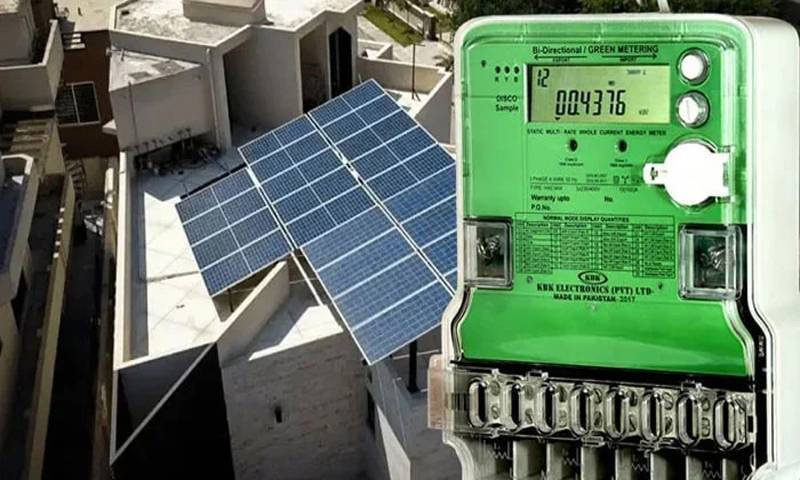
Federal govt changes billing rules for solar users exceeding approved capacity. Extra elec...
-
Pakistan’s Inflation Climbs to 19-Month High in ...
Pakistan’s inflation rises to 7.3% in March, the highest in 19 months, amid regional ten...
-
OGRA Announces 35% Hike in LPG Prices for April...
OGRA raises LPG rates by 35% for April, increasing the cost of an 11.8kg cylinder by Rs924...